
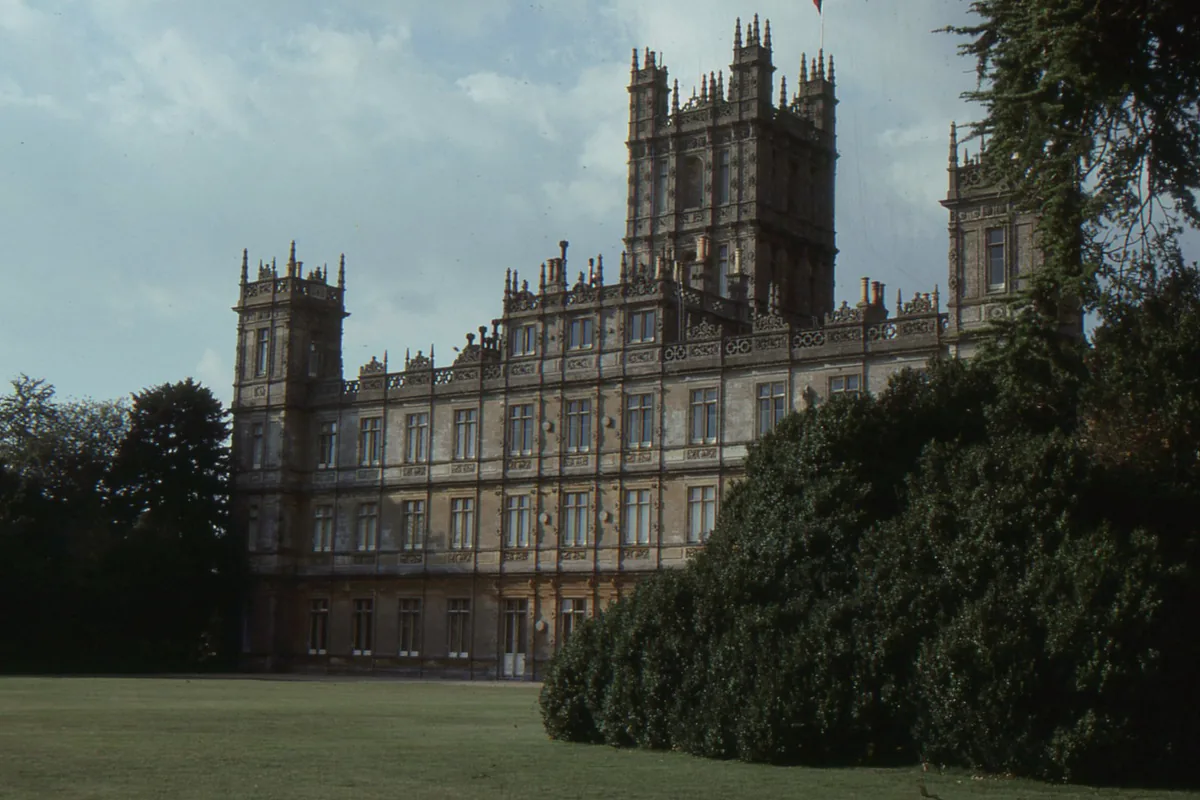
Some houses are admired for a season; others are loved for centuries. The difference is rarely a matter of size or expense. The country houses and historic estates that endure tend to share a handful of quieter virtues: a setting chosen with care, proportions that satisfy the eye, generous light, honest materials and, above all, owners who see themselves as custodians rather than consumers. None of these can be bought outright, and all of them reward patience.
A setting, not merely a site
A great house is never only a building. It belongs to its land: the fall of a hill, the line of a river, the shelter of old woodland, the long approach that reveals the façade a little at a time. The finest estates were planned as a whole, with house, park, water and planting composed together, so that each improves the other.
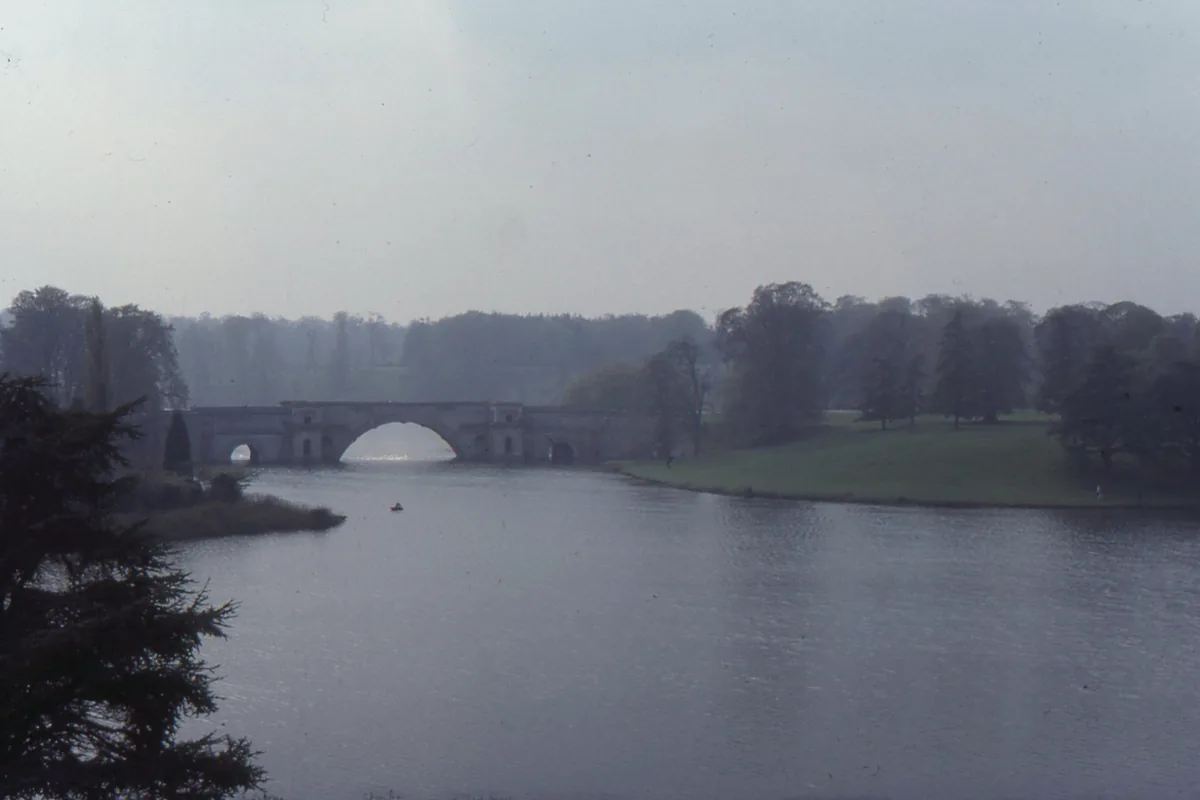
Blenheim Palace in Oxfordshire is a celebrated example. Sir John Vanbrugh's Grand Bridge was built to carry the approach across a modest valley, and it was Lancelot "Capability" Brown who, in the 1760s, dammed the River Glyme and gave the bridge the broad lake it now seems always to have commanded. Brown's art was to make the designed look inevitable, and a landscape of that kind matures rather than dates.
Proportion and the calm of symmetry
Proportion is the quality visitors feel before they can name it. Rooms whose height answers their width, windows set in a measured rhythm, a portico that sits comfortably on its front: these give a house an ease that fashion cannot supply and that time does little to erode.
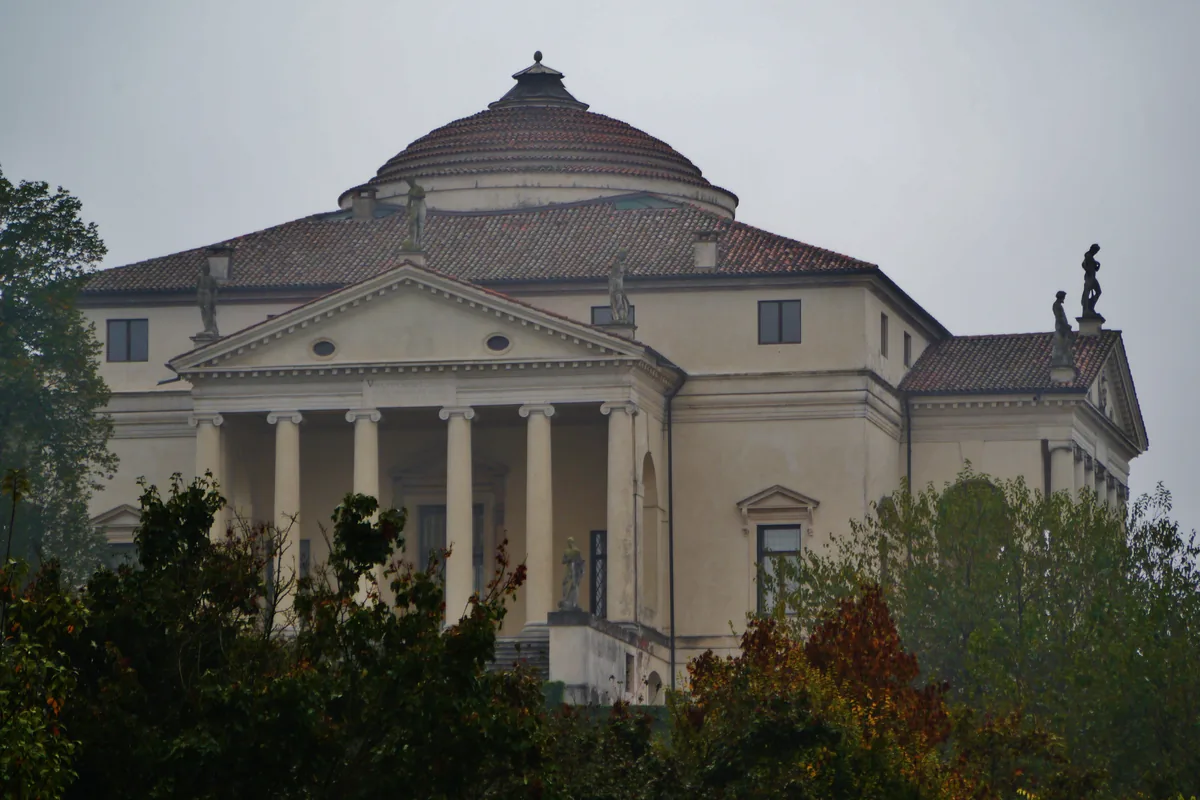
Much of this thinking descends from Andrea Palladio, whose villas in the Veneto and whose Four Books of Architecture, published in 1570, shaped country building far beyond Italy. In eighteenth-century England the Palladian revival, championed by patrons such as Lord Burlington at Chiswick, made harmonious proportion almost a gentleman's creed. Its legacy is a great many houses that still look entirely at ease in their parks.
Light, the most generous luxury
Light reveals a house and changes it hour by hour. Tall windows, well-placed rooms and long views from one room into the next bring the day indoors, and a house that is pleasant to live in is a house more likely to be lived in, and therefore looked after.
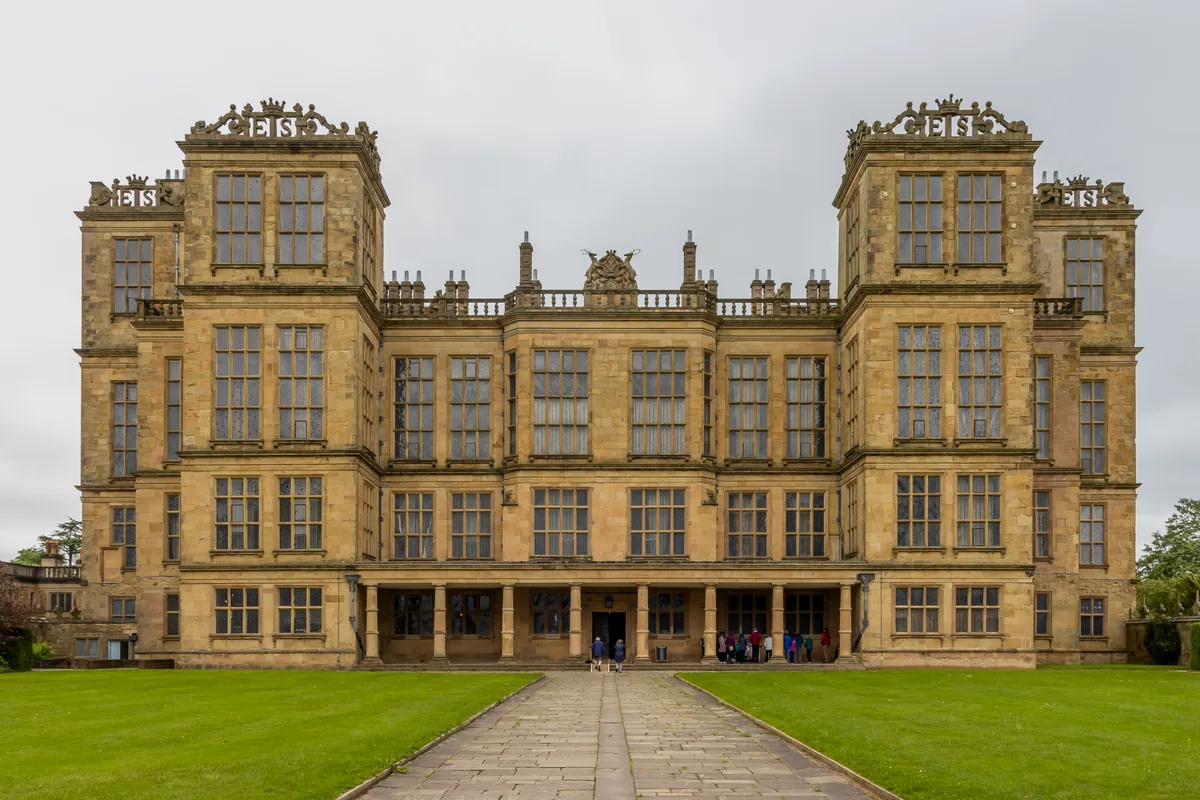
Hardwick Hall, built in the 1590s for Elizabeth, Countess of Shrewsbury, better known as Bess of Hardwick, made light a statement of confidence at a time when glass was costly. The old rhyme "Hardwick Hall, more glass than wall" has followed it ever since, and more than four centuries on, those great windows remain its signature.
Materials that age gracefully
Enduring houses are usually built of what lay close at hand: local stone, brick from nearby clay, oak from the estate's own woods, lime mortar, and slate or stone for the roof. Such materials sit naturally in their landscape and, properly cared for, weather into something richer than they were on the day they were laid.
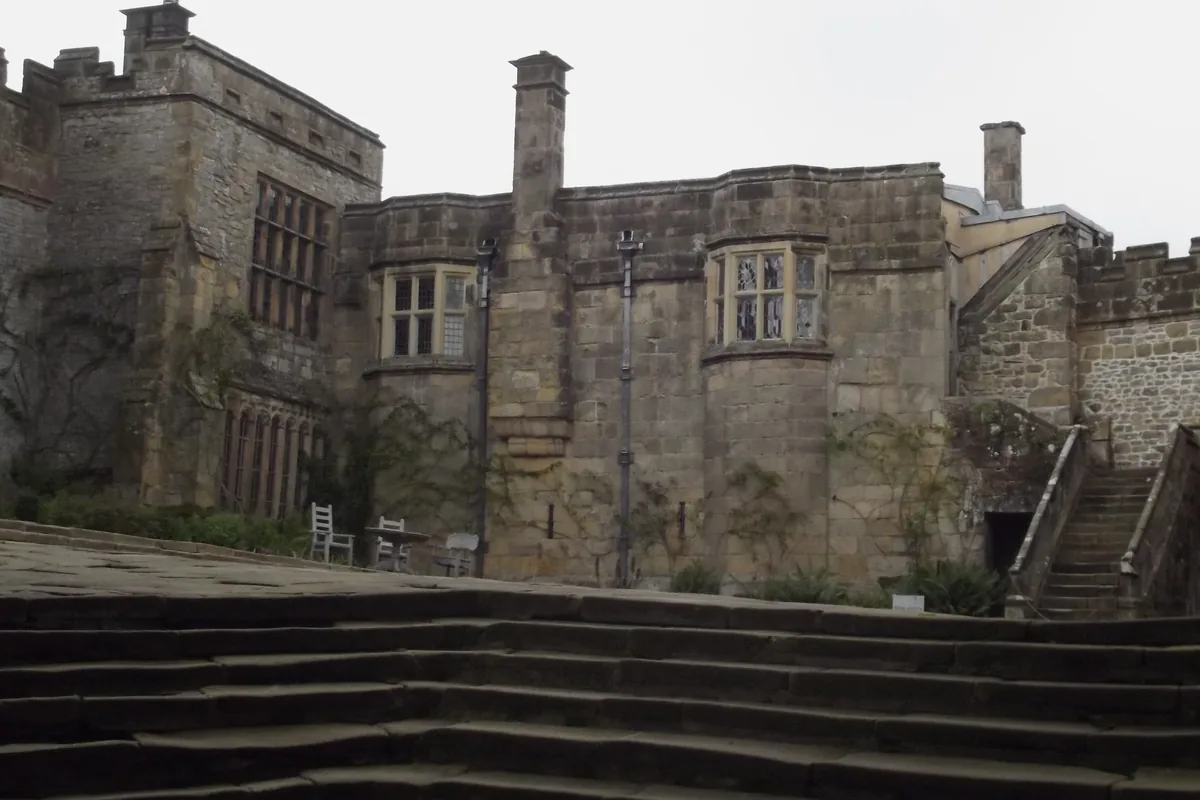
Haddon Hall, a medieval and Tudor house above the River Wye, shows how stone can carry age with dignity. Lichen, the wear on a step, the slight irregularity of hand-dressed masonry: these are not faults to be corrected but evidence of a long and continuous life. For traditional buildings, conservation specialists generally favour lime mortars and renders, which allow old walls to breathe, and modern substitutes chosen without care can do lasting harm.
Stewardship: the quiet art of keeping
No house endures by architecture alone. What carries it through the centuries is stewardship: roofs kept sound, gutters cleared, timbers watched for damp, furniture and textiles shielded from too much sun. The work is unglamorous and never finished, yet it is so often the reason one house survives while another, equally fine, is lost.
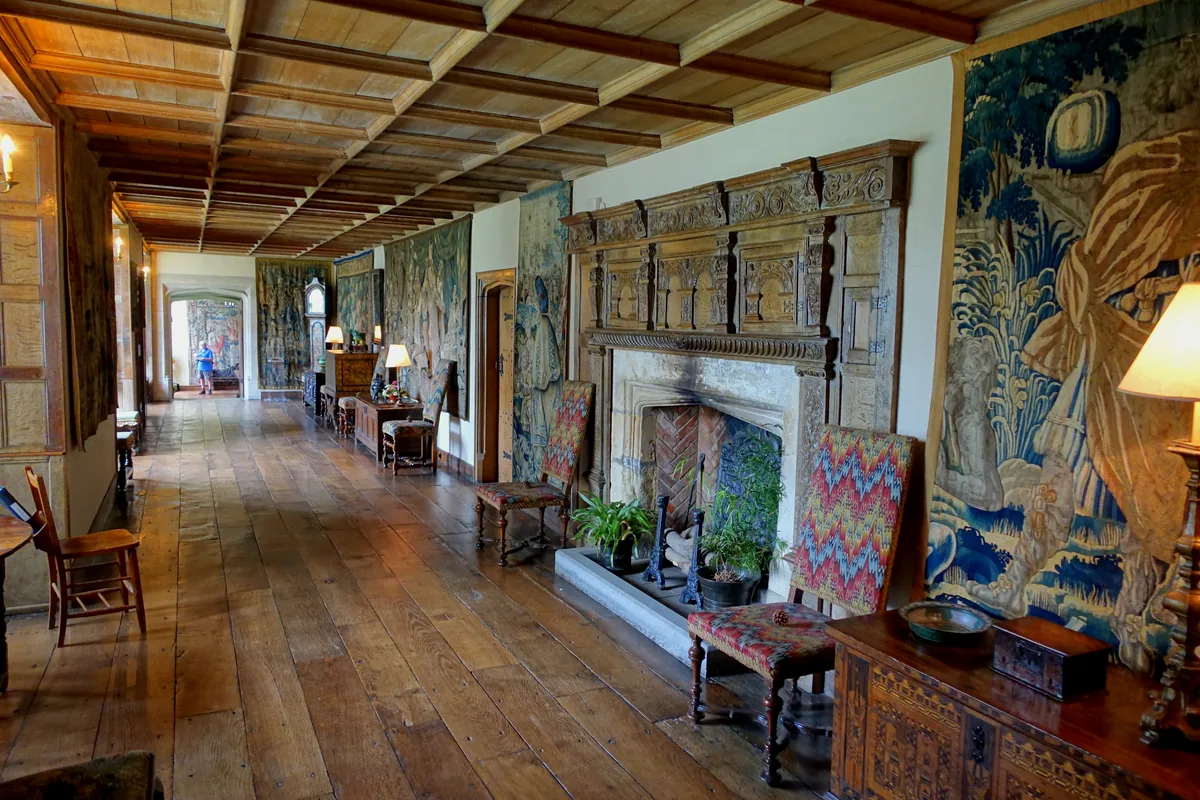
In 1877 William Morris and his circle founded the Society for the Protection of Ancient Buildings, urging owners to repair rather than to "restore", and to treat old fabric as something held in trust for those who come after. That spirit still guides good practice, summed up in the familiar conservation maxim of doing as much as necessary and as little as possible.
The provenance of a house
Like a painting, a house has a provenance, and a well-kept one adds both confidence and character. Estate maps, architects' drawings, building accounts, old photographs, sale particulars and records of repair all help to show how a house came to be as it is, and which of its features are original. In England, buildings of special architectural or historic interest are listed at Grade I, II* or II, and many other countries offer comparable protection. A buyer should understand what such status means for future alterations, and a seller does well to gather the archive before a house goes to market.
Choosing a house for the long term
For anyone considering a historic estate, these qualities offer a sound way of looking. Walk the land as well as the rooms. Notice how the house sits, how the light falls at different hours, what it is built of and how it has been mended. Ask for the records. A house that has been loved well is usually easy to recognise, and it tends to repay the same affection in return.
Fine homes and estates offered by their owners and agents are presented in our Estates collection, each one a chapter in a longer story.