
About this listing
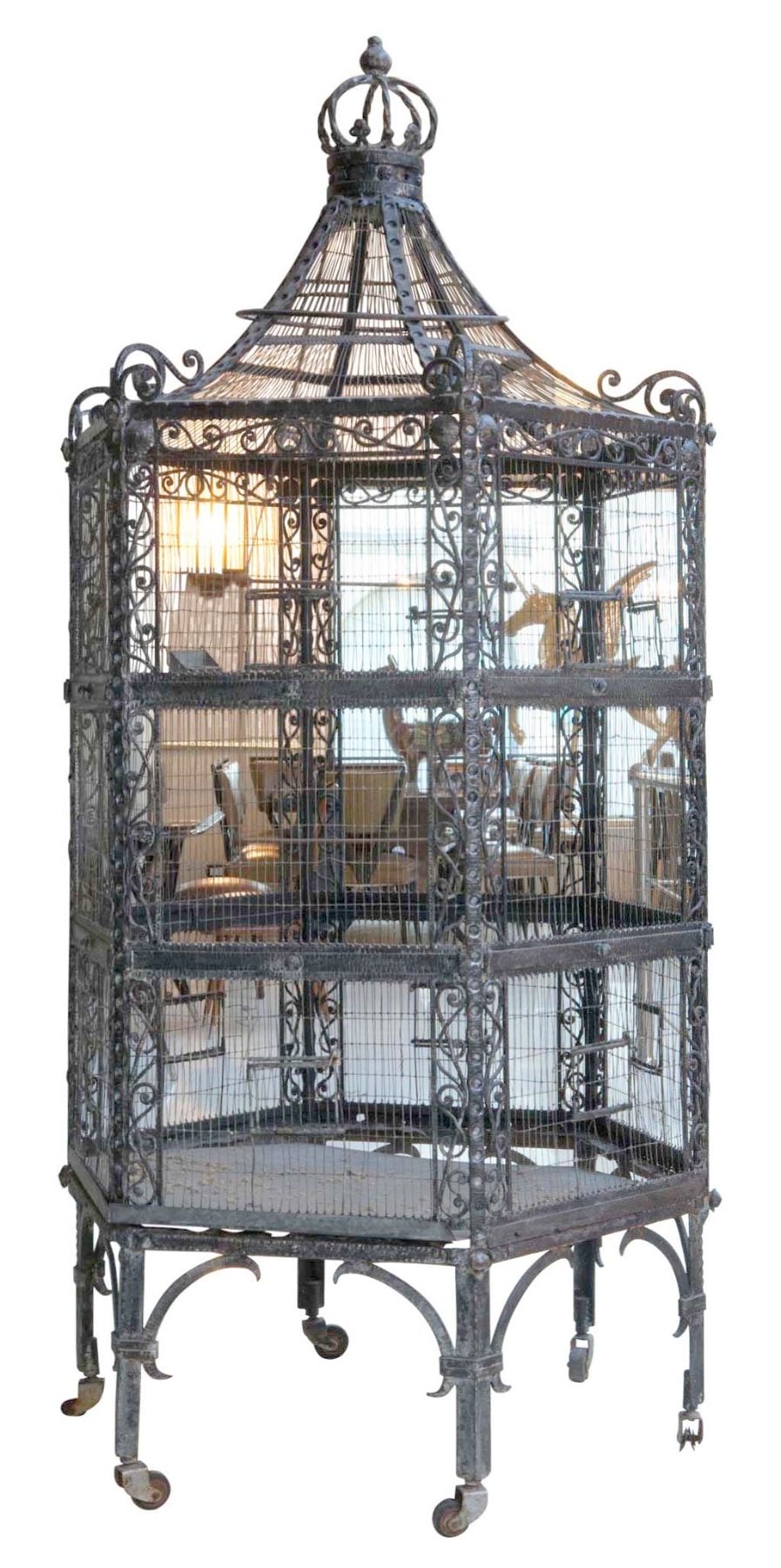
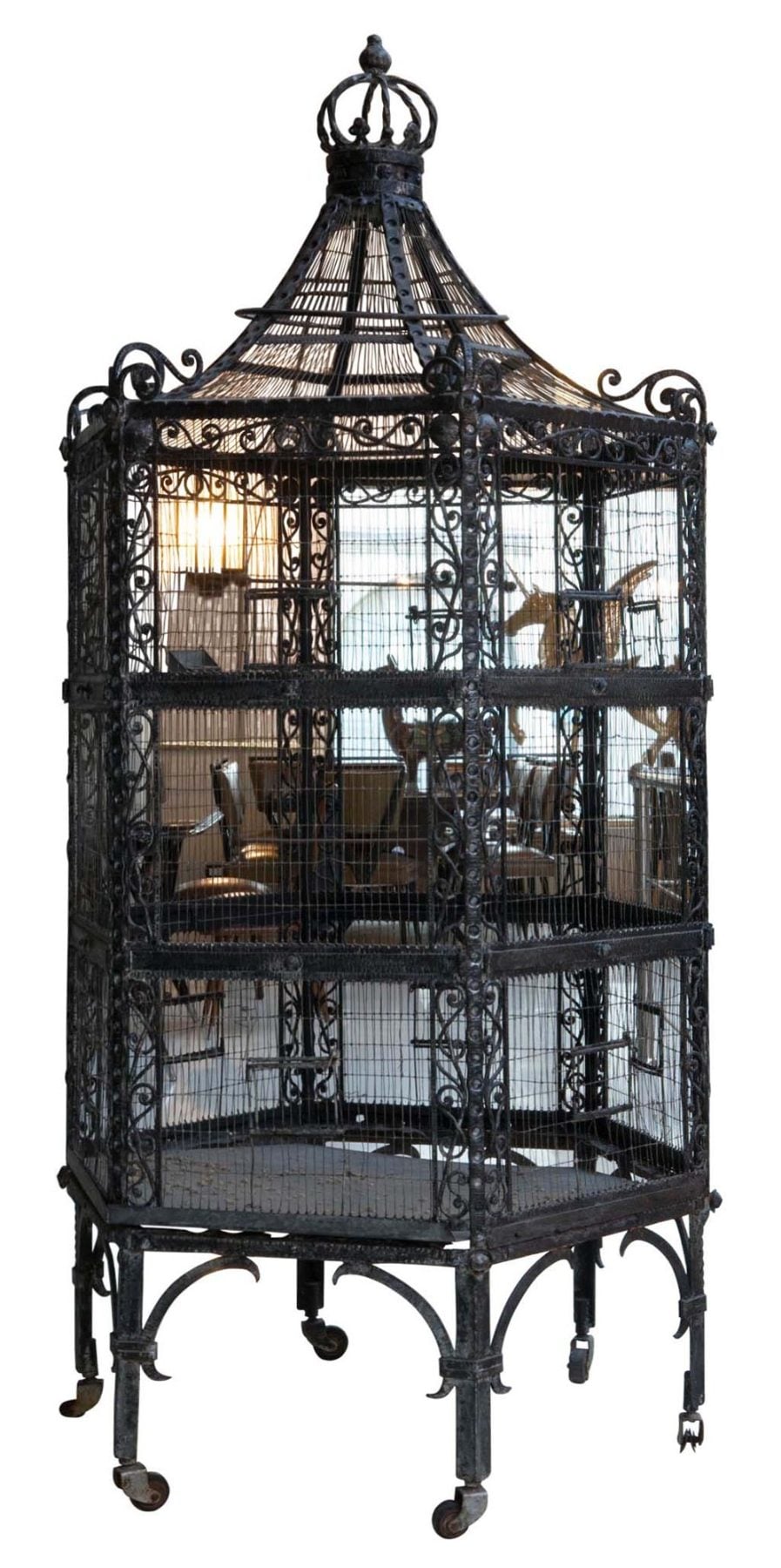
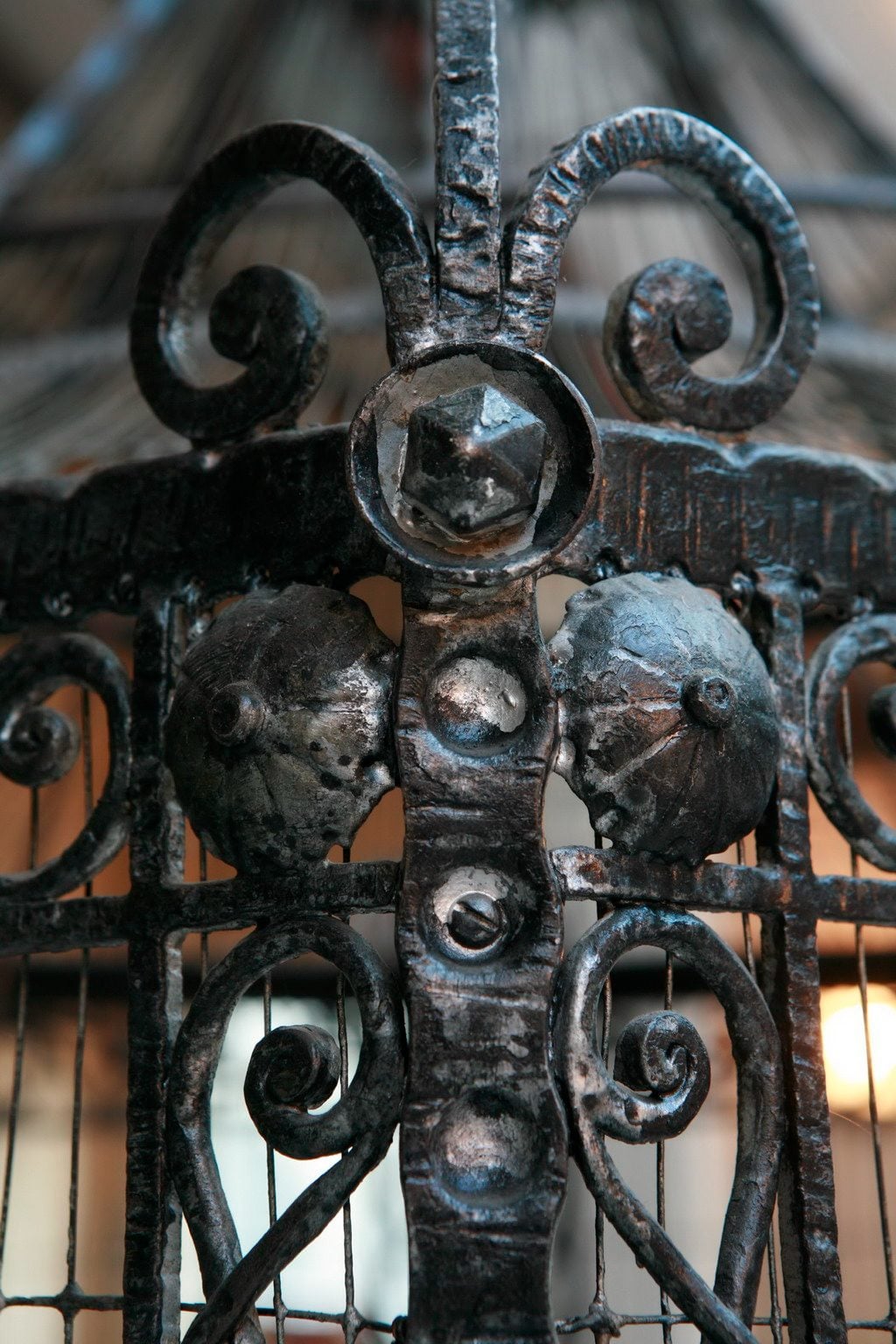
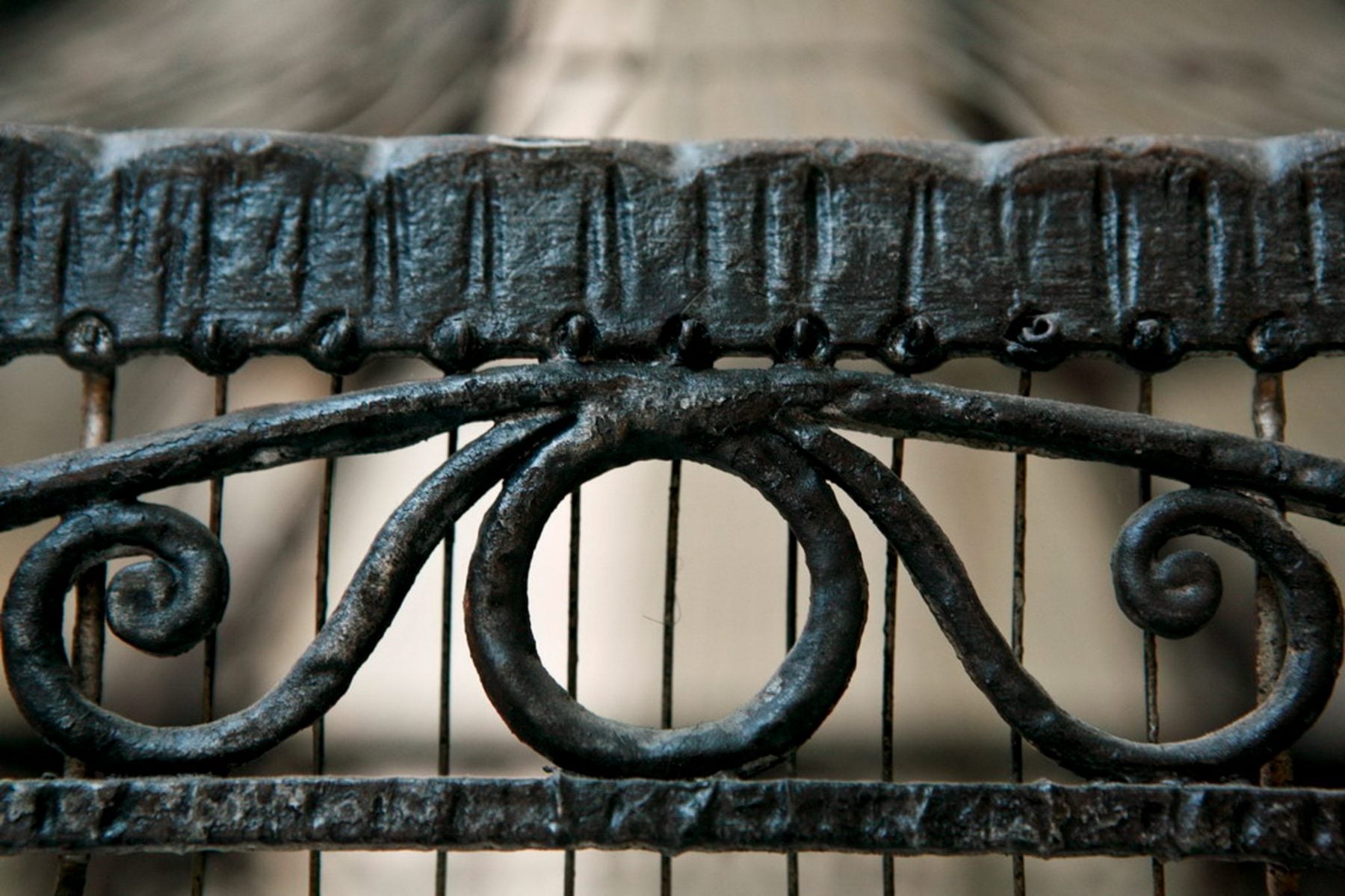
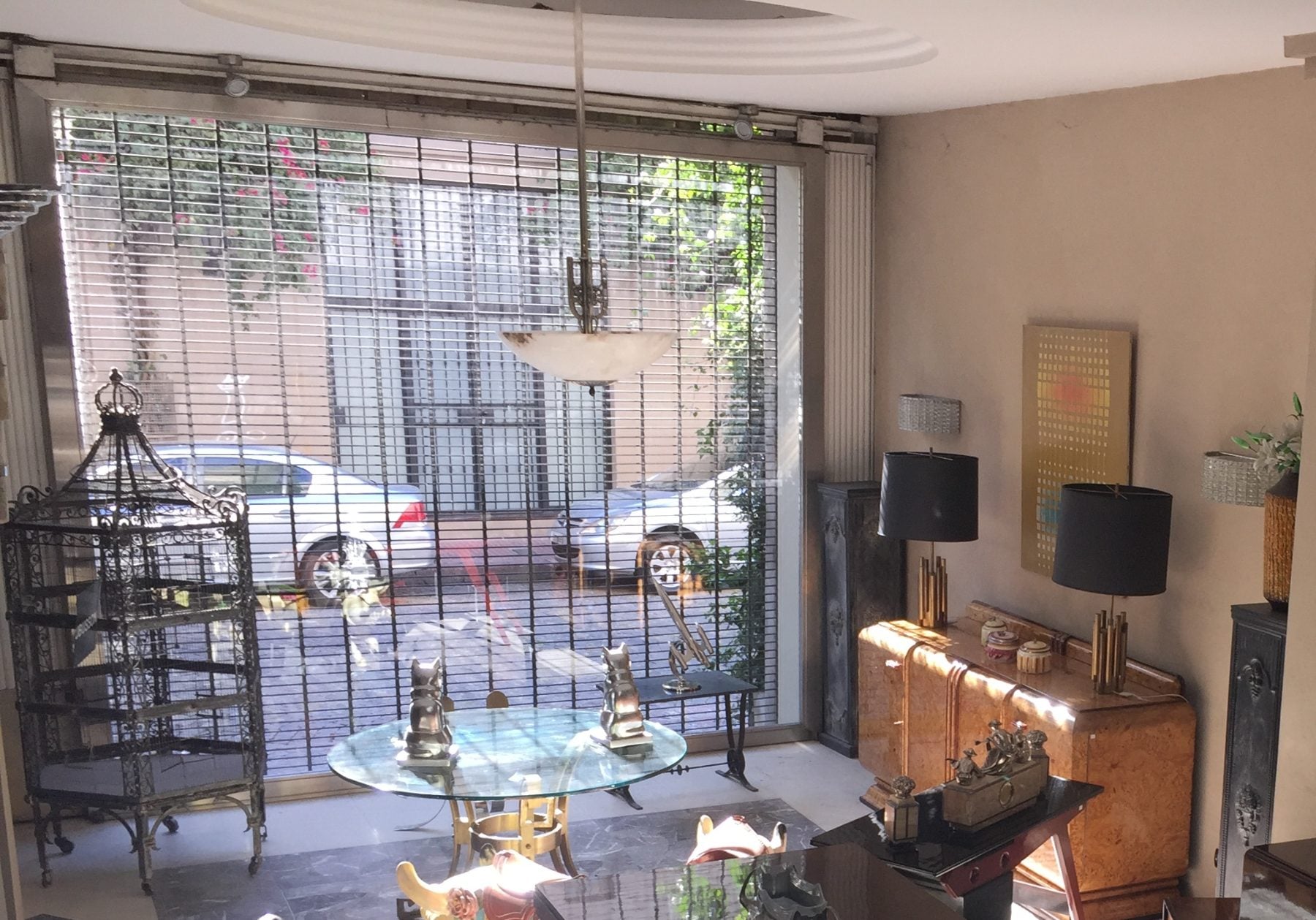
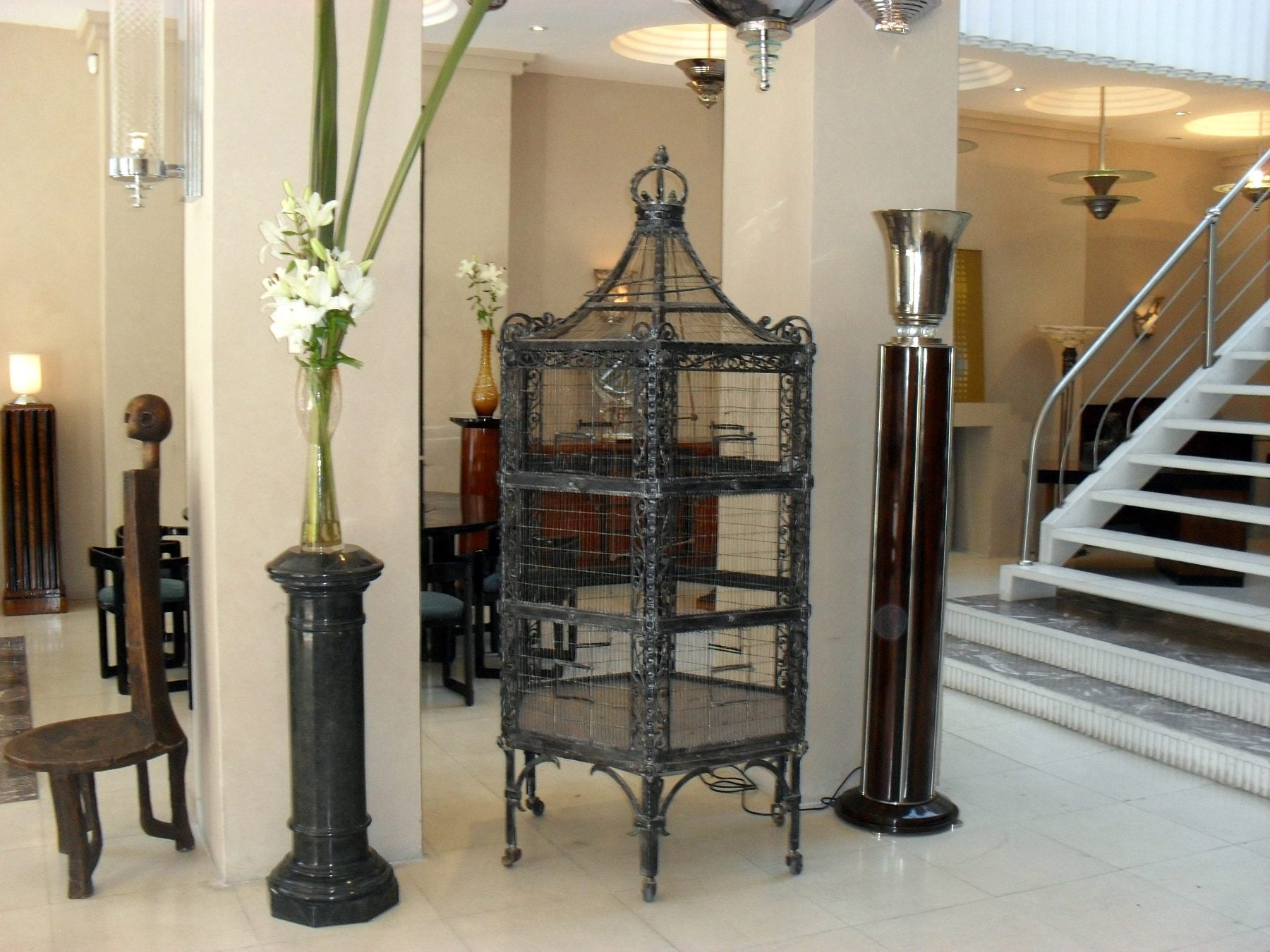
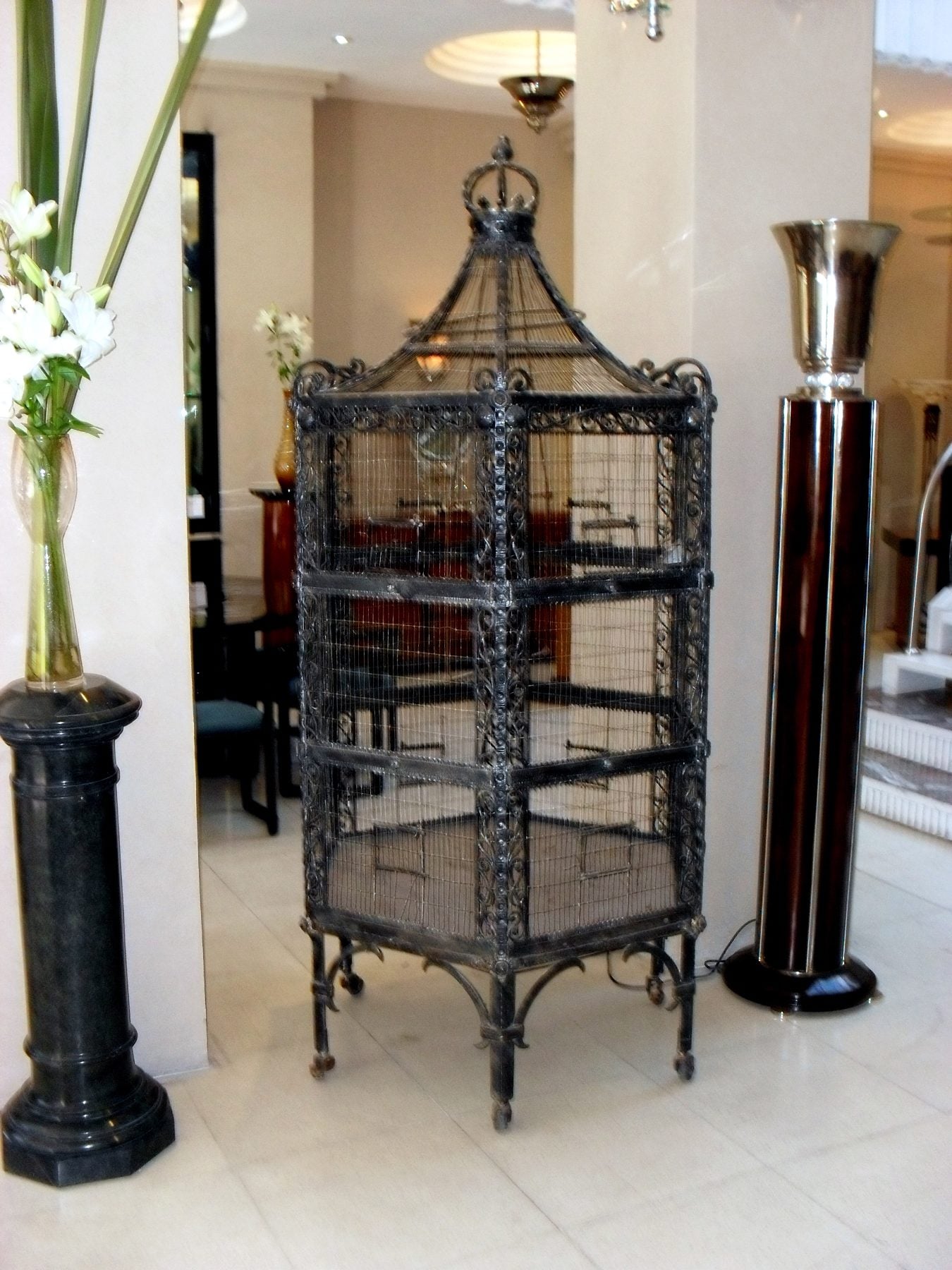
Bird Cage, Art Nouveau Year: 1900 Country: French Material: Iron It is an elegant and sophisticated bird cage. We have specialized in the sale of Art Deco and Art Nouveau styles since 1982.If you have any questions we are at your disposal. Pushing the button that reads 'View All From Seller'. And you can see more objects to the style for sale. Art. Nouveau The name "Art Nouveau" in French means "new art". It is also known as Jugendstil in Germany. In contrast, in Vienna and in Italy, "Liberty style". The Art Nouveau designs used curvilinear sinuous asymmetrical lines, often based on plant forms. and feminine silhouettes. The style was used in architecture, interior design, glass, jewelry, sculpture, painting, posters and illustration. Introduced new materials such as opals and semi-precious stones Art Nouveau had its greatest impetus in the 1900 Universal Exhibition in Paris. After that, it spread throughout Europe, USA and Australia In Paris you can see the entries in metro are of Hector Guimard and Émile Gallé. Some artists are: Gustav Klimt, Charles Rennie Mackintosh, Alphonse Mucha, René Lalique, Antoni Gaudí and Louis Comfort Tiffany. Victor Horta had a decisive impact on architecture in Belgium. Each of them interpreted it their way. Why are there so many antiques in Argentina? In the 1880 – 1940 there was a grate wave of immigration encouraged by the periods of war that were taking place. 1st World War took place between 1914 and 1918 2nd World War took place between 1939 and 1945 The immigrants options were New York or Buenos Aires. Tickets were cheap and in Buenos Aires they were welcomed with open arms, as it was a country where everything was still to be done. Argentina was the country of new opportunities, labour was needed and religious freedom was assured, in many cases the of the family travel first until they were settled and then the rest of the family members join them. In the immigrant museum “Ellis Island Immigrant Building” in New York you can se the promotional posters of the boats that would take them to a new life. Between the years 1895 and 1896, Argentina had the highest DGP (gross domestic product) per capita in the world according to the Maddison Historical Statistics index, this situation arose due to the large amount of food being exported to European countries, which were at war. The Argentinean ships left the port of Buenos Aires with food, but they returned with furniture, clothes and construction elements, (it´s common to see this the old buildings of the historic neighbourhood of San Telmo, the beams with the inscription “Made in England)”, as well as many markets that were built in Buenos Aires, such us the San Telmo Market, whose structure was brought by ship and afterwards assembled in 900 Defensa Street. With the great influence of European immigrants living in the country, the children of the upper classes travelled to study in France, resulting in the inauguration of “La Maison Argentinienne”, on 27th of June 1928, in the international city of Paris, which hosted many Argentinians that were studying in Frace. It´s the fourth house to be built after France, Canada and Belgium, being the first Spanish-speaking one. Still in place today (17 Bd Jourdan, 75014, Paris, France). Many of the children of these wealthy families who attended international art exhibitions, museums and art courses abroad, took a keen interest in the European style. This is why Buenos Aires was at the time referred as “The Paris of South America”. Between the years 1890 and 1920 more than a hundred Palaces were built on Alvear Avenue the most exclusive avenue in Buenos Aires. Today some of these palaces have been transformed into museums, hotels and embassies. In the year 1936, the Kavanagh building was inaugurated, it was the tallest reinforced concrete building in South America. During 1994 the American Society of Civil Engineers distinguished it as an “international engineering milestone”, and it´s now consid
| Categoria | Antiguidades / arqueologia |
|---|---|
| Era | 1900 |
| Medium / material | Iron Martele |
| Located in | Buenos Aires |
| País | France |