For many travellers, the appeal of flying privately is simple: departing when you wish, from an airport that suits you, with the people you choose. What is less often explained is how a private flight is actually arranged, and who is responsible for each part of it. Understanding the difference between an operator and a broker is the first step towards chartering with confidence.
Operators and brokers
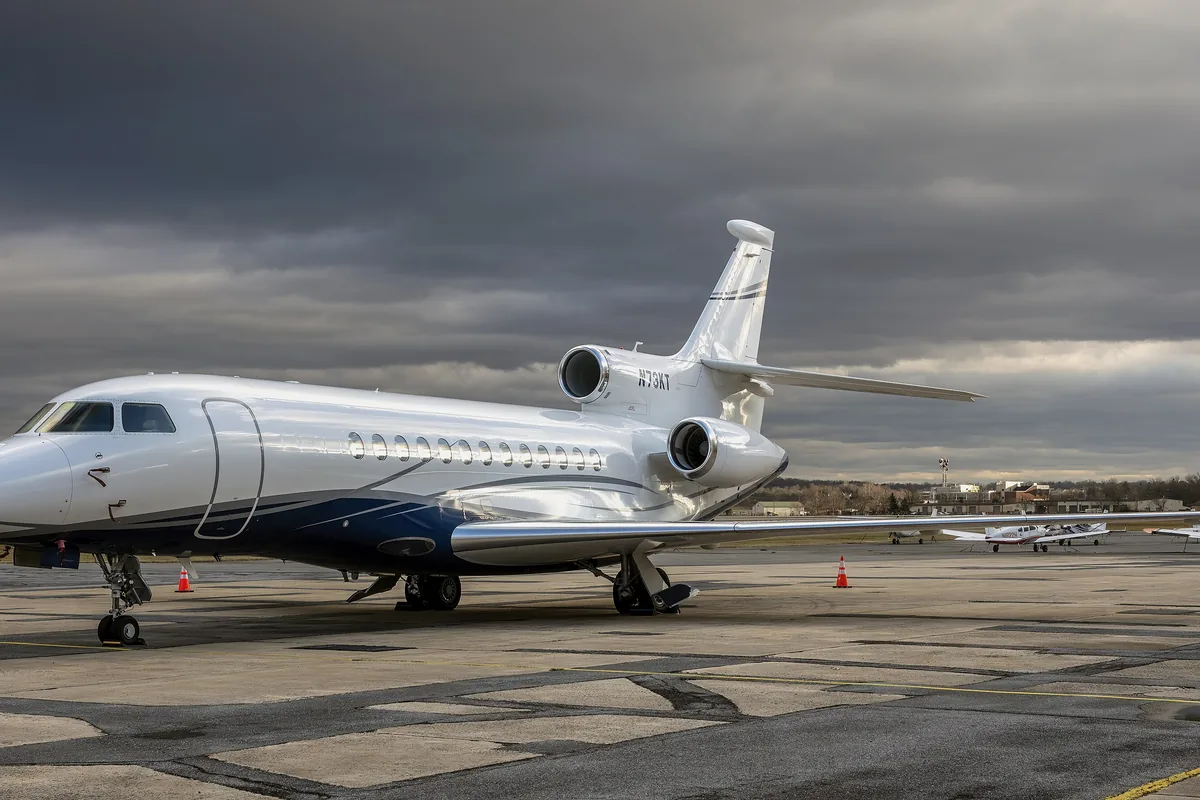
In the United States, an aircraft offered for charter is flown by an operator: a company that holds the necessary certificate from the Federal Aviation Administration to carry passengers for hire, commonly under Part 135 of the federal aviation regulations. The operator employs or contracts the crew, maintains the aircraft and holds what is known as operational control. In plain terms, the operator is responsible for the flight itself.
A charter broker does something different. A broker does not own or fly aircraft. Instead, the broker acts on behalf of the traveller: understanding the journey, approaching suitable operators, comparing what they offer and presenting a quotation. When the trip is confirmed, the broker coordinates the details between the traveller and the operator.
Both roles have their place. Some travellers prefer to approach operators directly. Others value a broker who can search widely, ask the right questions and handle the arrangements, particularly for trips that are complex, international or arranged at short notice.
What a good broker does for you
A careful broker begins with questions. How many passengers, and how much luggage? Are there children or pets? What time must you arrive, rather than merely depart? Is there a preference for a particular cabin size, or for catering, ground transport or a quieter airport closer to your destination?
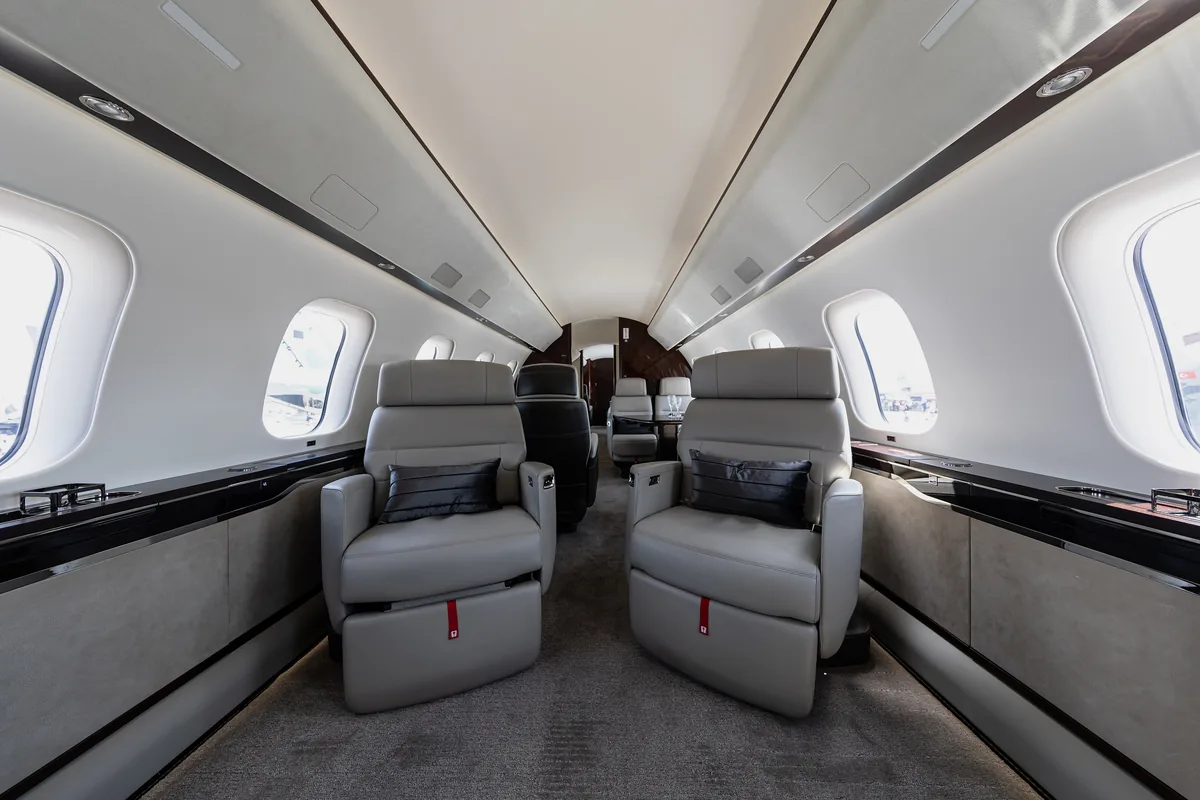
With that brief, the broker approaches operators whose aircraft are suited to the route and the party. The aim is not only to find a price but to find the right aircraft: one with the range for the journey, a cabin that suits the number of passengers, and an operator whose credentials can be confirmed.
The broker then presents a quotation that should be clear and complete. You should be able to see what is included, what might be charged in addition, and the terms that apply if plans change.
What you should be told before you pay
In the United States, the Department of Transportation sets rules for those who arrange air charter on behalf of the public, found in 14 CFR Part 295. Among other things, these rules are intended to ensure that travellers know who is operating their flight and what role the broker plays.
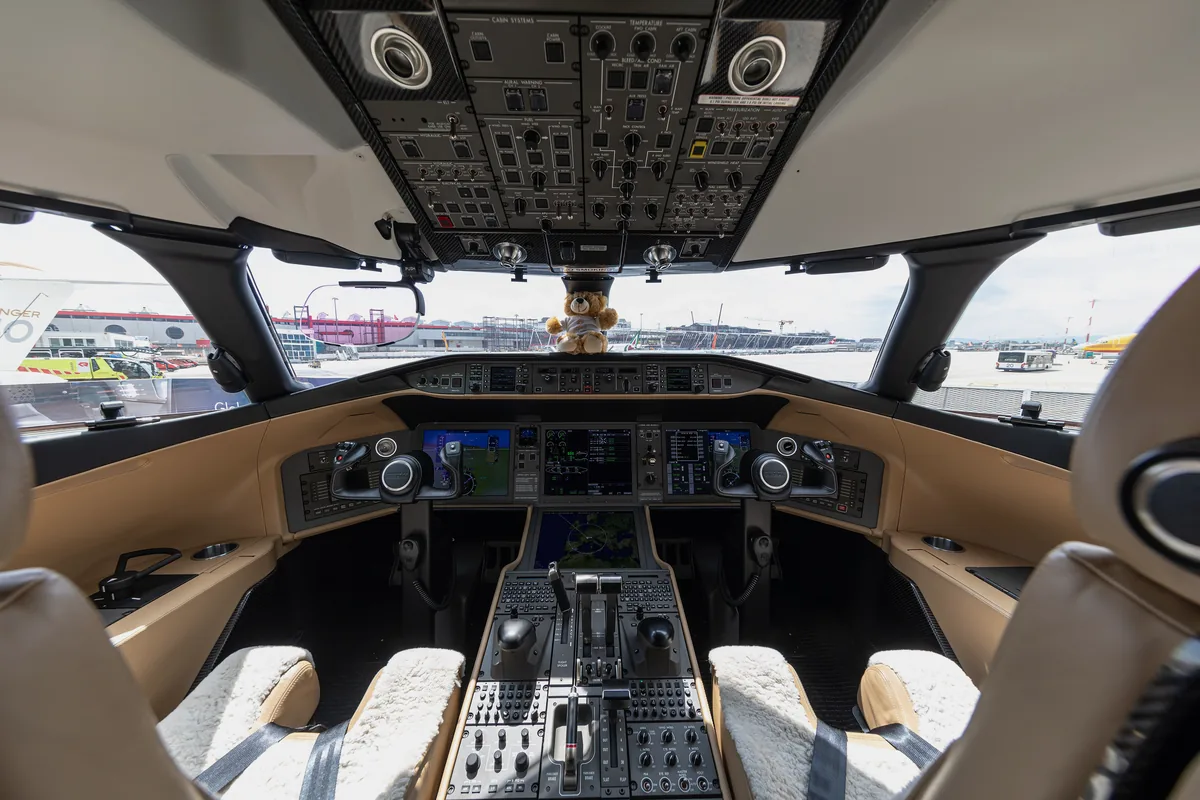
In practice, a reputable broker will tell you in writing, before you pay, which company will operate the flight, that the broker acts as your agent rather than as an airline, and the total cost of the trip. You should never be left uncertain as to who is actually flying the aircraft.
It is also reasonable to ask how the broker is paid. A broker's fee may be built into the price you are quoted or shown separately. Either approach can be fair, provided it is disclosed. Clarity on this point is a mark of a broker who respects the client.
Choosing well
A few principles serve travellers well, whomever they choose:
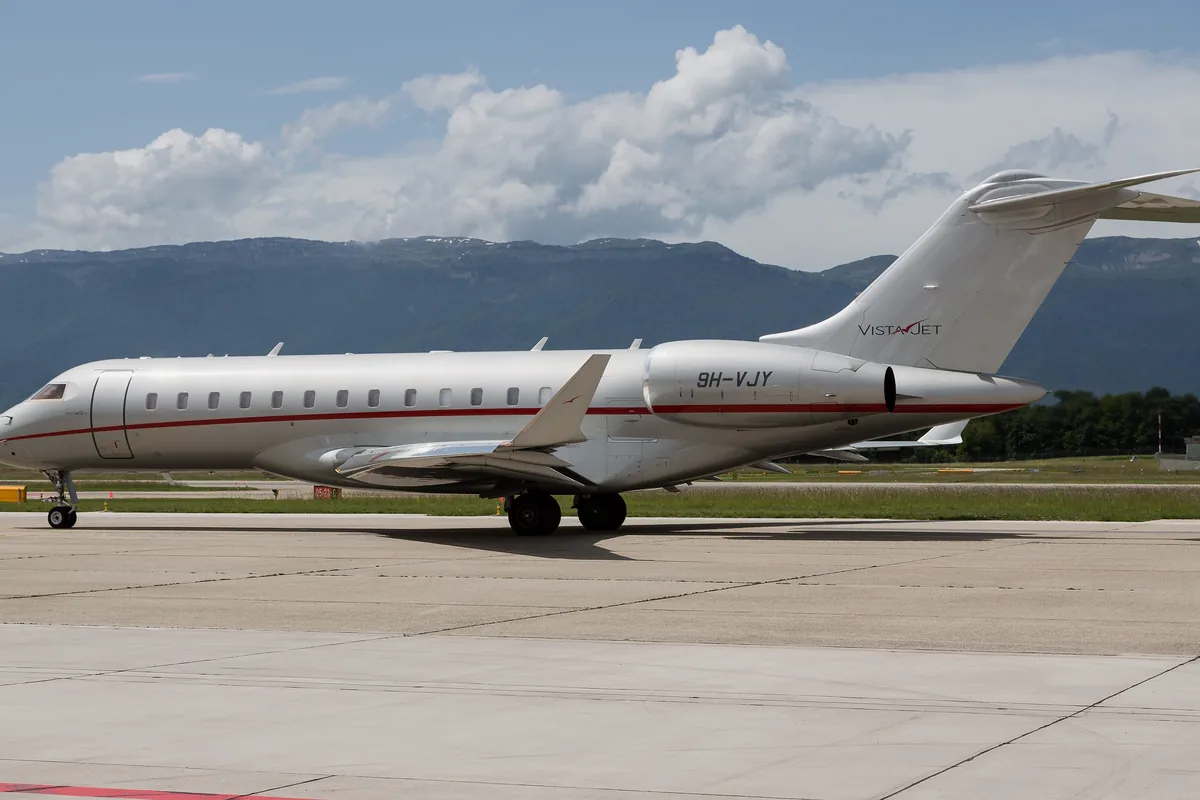
- Ask which operator will fly the trip, and confirm that it holds the appropriate certificate.
- Read the quotation in full, including the cancellation terms and any charges that may be added later, such as de-icing, waiting time or overnight crew costs.
- Make sure the aircraft suits the journey, including the luggage you intend to bring.
- Keep your own copy of every confirmation and disclosure.
None of this need be onerous. A good broker will offer this information without being asked, and will welcome your questions.
How Château Noir approaches charter
Château Noir acts as an air charter broker, as the customer's agent. We do not own or operate aircraft; every flight we arrange is operated by an FAA-certificated direct air carrier. Before you pay, we confirm in writing the operating carrier, our role, and the full price, including our fee, so that you know exactly what you are agreeing to. Our approach is set out in full in our Information courtier en affrètement.
Should you wish to explore a journey, you may request a charter quote, and a member of our team will reply personally.
Photographs are credited in their captions and licensed as stated there.