
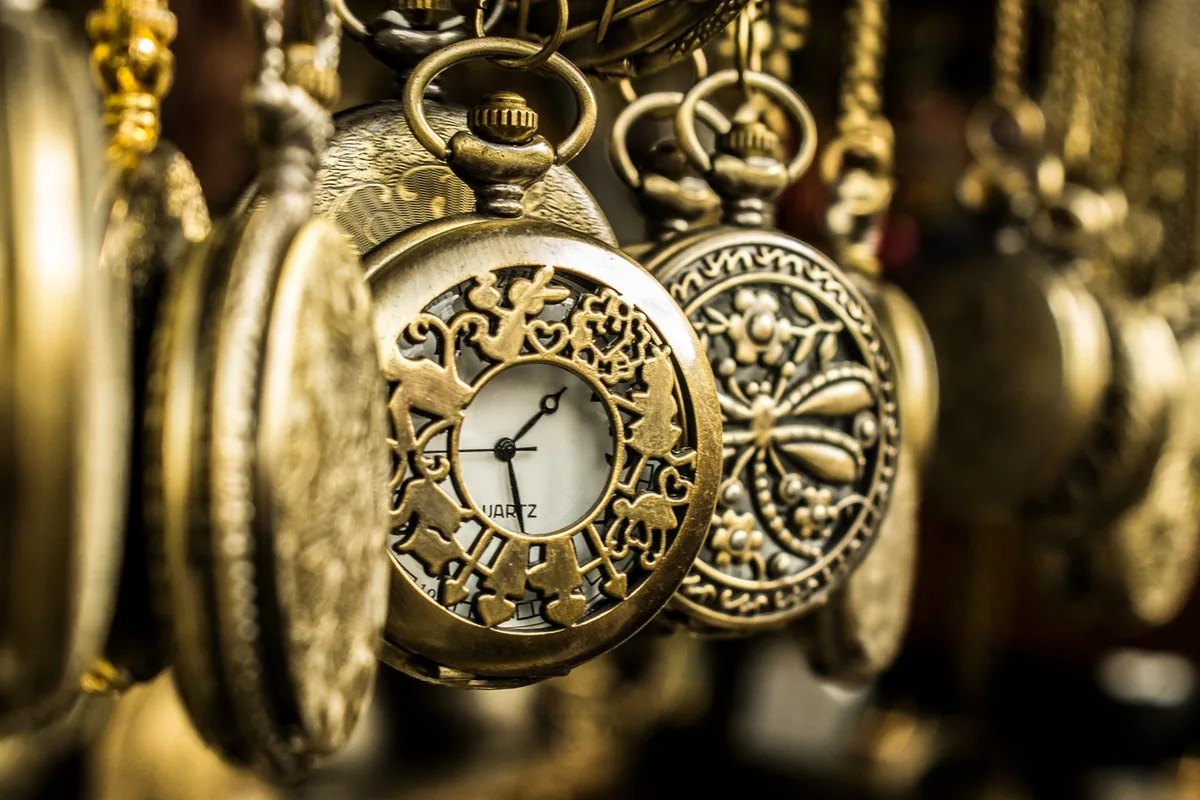
Every fine object has two lives. The first is visible: the brushwork of a painting, the patina of a bronze, the movement of a watch beneath its crystal. The second is invisible, and it is told in documents, labels, letters and memories. This second life is its provenance, the record of where an object has been and in whose hands. For collectors, it is often as important as the object itself.
What provenance means
In its simplest sense, provenance is the history of ownership of an object, traced as far back as the evidence allows. For a painting, that might run from the artist's studio through a series of private collections, dealers and exhibitions to the present owner. For a timepiece, it might include the original sales record, service history and a sequence of owners. For a piece of furniture, it may rest on an old inventory, a label beneath a drawer or a photograph of the room in which it once stood.
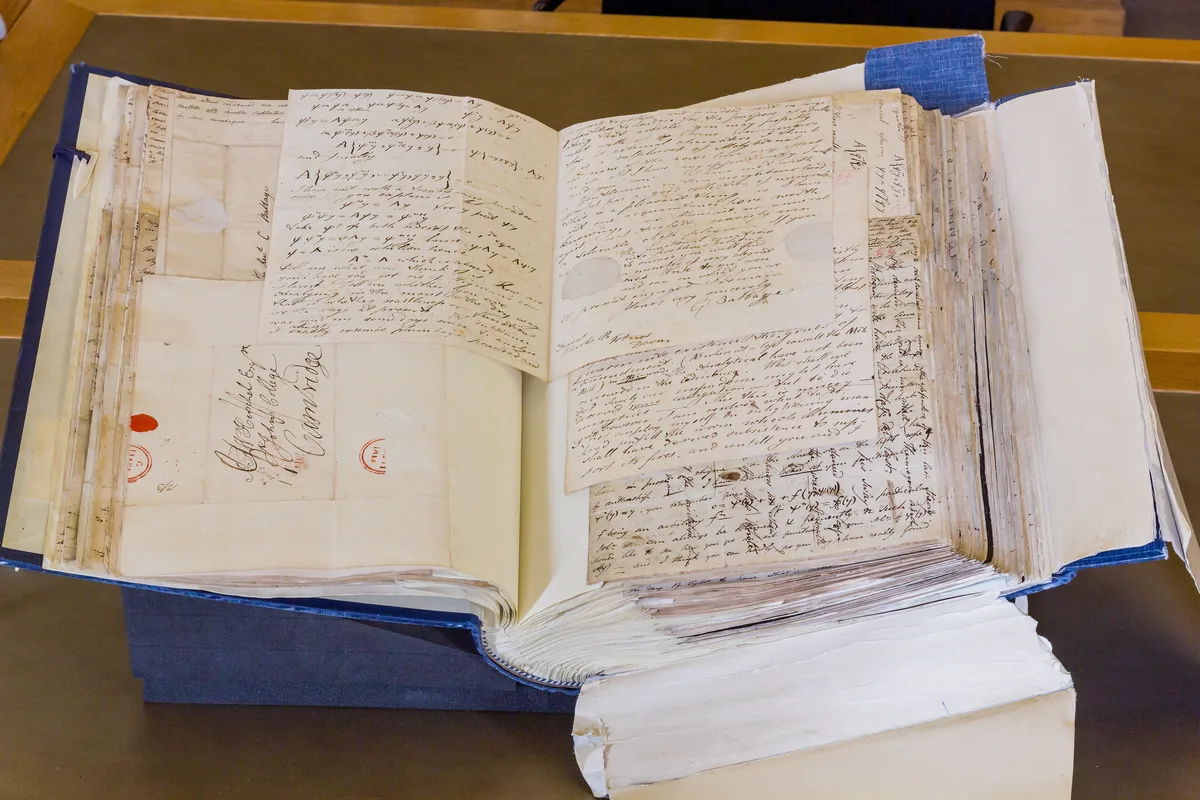
Provenance is rarely complete. Gaps are common, particularly for older objects, and an honest record will acknowledge them rather than fill them with guesswork.
Why it matters
Provenance matters for three reasons, and they are closely related.
It supports authenticity. A documented history does not, on its own, prove that an object is what it is claimed to be, but it gives specialists a framework against which to test the object. A clear line back to the maker, or to a well-recorded collection, can be persuasive. A history that cannot be traced at all invites closer scrutiny.
It confirms lawful title. Buyers need to know that the seller has the right to sell. A well-documented chain of ownership helps to show that an object has not been stolen, looted or exported unlawfully. Many reputable dealers and auction houses check significant objects against stolen-art registers before offering them, and a careful buyer can reasonably ask whether this has been done.
It shapes value. Objects with a distinguished history, such as those once owned by a noted collector or included in an important exhibition, are often more sought after than comparable objects without one. Even a modest but continuous history adds confidence, and confidence is part of what a buyer pays for.
How provenance is recorded
The evidence of provenance takes many forms. Among the most useful are:
- Original invoices, receipts and certificates from the maker or first seller.
- Exhibition labels, gallery stickers and auction lot numbers, often found on the reverse of a painting or the underside of an object.
- Entries in catalogues, catalogues raisonnés or published literature.
- Letters, inventories, wills and photographs that show the object in a particular place or collection.
- Service and restoration records, particularly for timepieces, instruments and mechanical objects.
Each piece of evidence should be read for what it actually shows. A label proves that an object passed through a particular gallery; it does not, by itself, prove who made it. Specialists build a picture by combining sources, and so should a careful buyer.
Reading provenance with care
When considering a significant purchase, it is sensible to ask for the provenance in writing and to look for consistency. Do the dates make sense? Do descriptions, measurements and markings in older documents match the object before you? Are there gaps, and if so, has the seller explained them?
Be gently sceptical of stories that cannot be supported. A romantic tale of a famous former owner may be true, but without evidence it should not be reflected in the price. Conversely, a plain history that is well documented is worth a great deal.
For objects made from regulated materials, such as certain woods or animal products, provenance takes on legal importance as well. International trade in some materials is controlled, and documentation may be needed to buy, sell or move an object across borders. Where in doubt, take advice before committing.
Adding to the story
Provenance is not only something you inherit; it is something you continue. Keep every invoice, certificate and piece of correspondence connected with your purchase. Photograph the object, note any conservation or servicing, and store the records safely. One day, the next custodian will be grateful, and the object's story will be the richer for your care.
At Château Noir, art, antiques, timepieces and other fine objects are presented by their owners and dealers in our コレクション. Every seller attests to their right to offer what they list, and should you be seeking something particular, our プライベート・コンシェルジュ will search discreetly on your behalf.
Photographs are credited in their captions and licensed as stated there.