
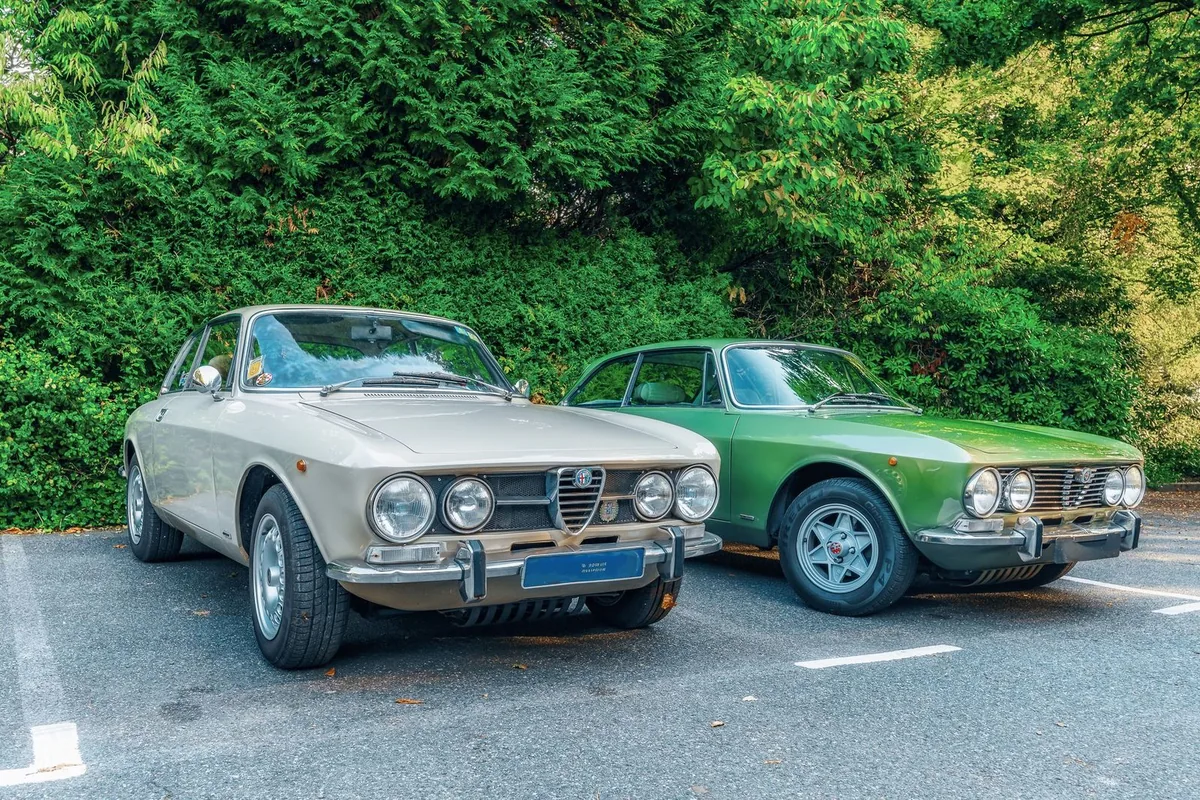
There is a particular silence that settles over a buyer standing before the right classic car. The paintwork may not be perfect, the leather may be creased, and the odometer may tell a story of its own, yet something in the proportions simply feels correct. That instinct is worth listening to. It is not, however, a substitute for diligence. The finest purchases are made by buyers who allow their hearts to choose the car and their heads to choose the example.
What follows is not a checklist to be ticked in a single afternoon. It is a way of approaching the purchase, so that the car you bring home is the car you believed you were buying.
Begin with the model, not the advertisement
Before looking at any particular car, it pays to understand the model in depth. Every classic has its own character: the years in which it was built, the changes made during production, the weaknesses that owners have come to know, and the variants that collectors prize above others. Owners' clubs, marque registers and long-standing specialists are generous sources of this knowledge, and most enthusiasts are glad to share it.
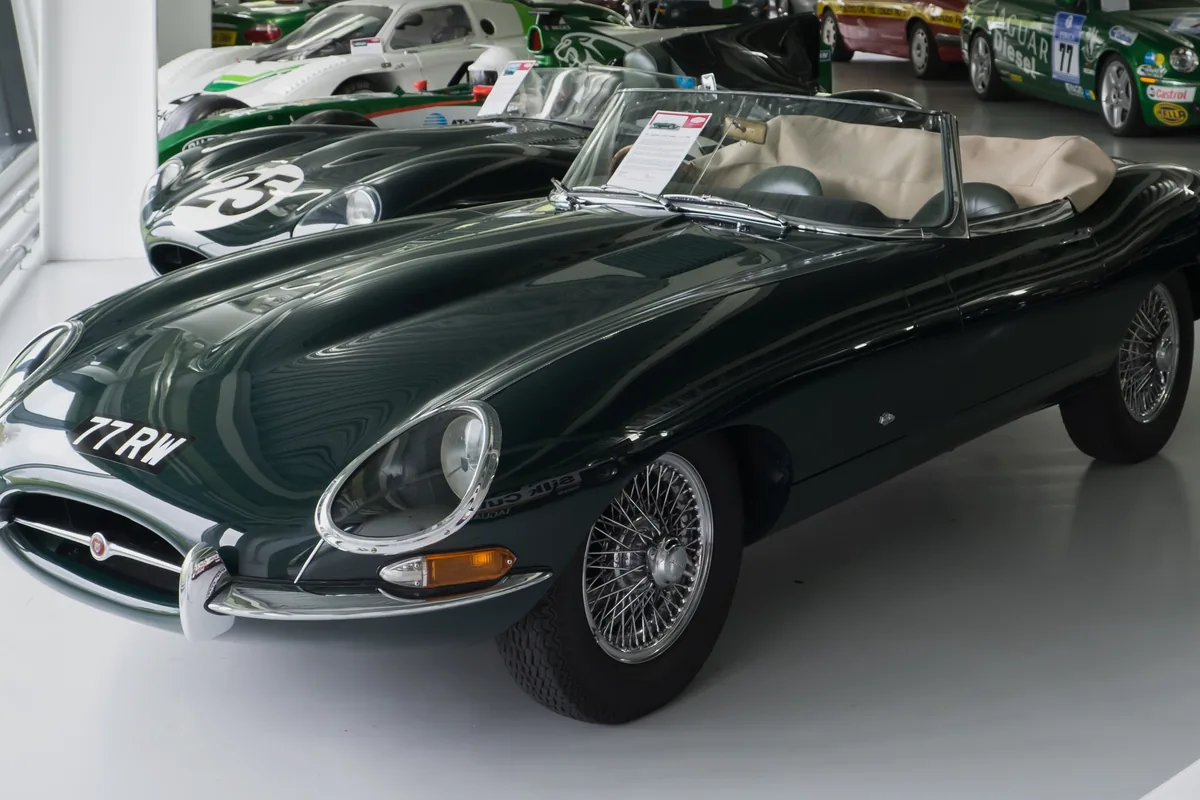
Spend time reading, and if possible, drive more than one example. Two cars of the same model can feel remarkably different, depending on how they have been maintained, restored or modified. Once you know what a good one feels like, a poor one becomes much easier to recognise.
Condition is a spectrum
Classic cars are rarely described accurately by a single word. "Original", "restored", "sympathetically maintained" and "concours" mean different things to different people, and the asking price should reflect where a car truly sits on that spectrum.
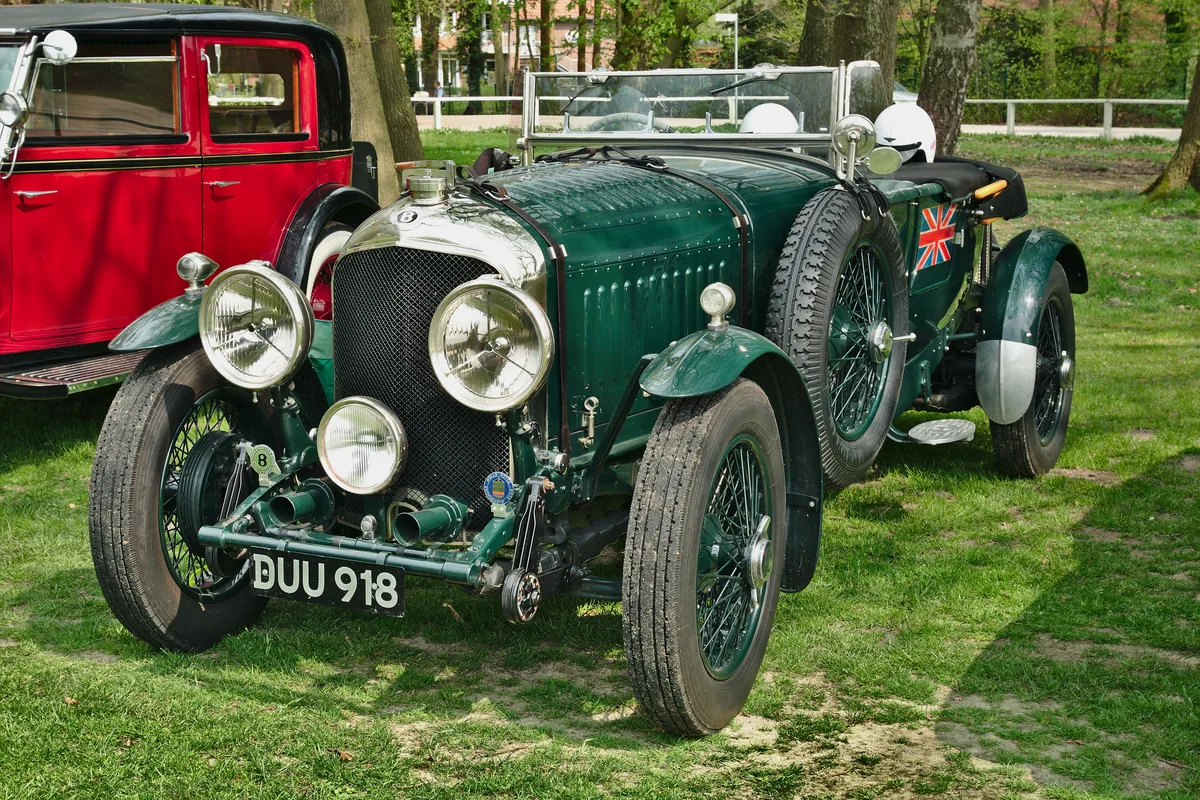
An unrestored car in honest condition can be a delight, carrying the patina of decades of use. A thoroughly restored car can be superb, provided the work was done well and is properly documented. Between the two lie many cars that have been repaired piecemeal over the years, some carefully and some less so. None of these is wrong in itself. What matters is knowing which one you are looking at, and paying accordingly.
As a general principle, structure matters more than shine. Paint and trim can be renewed; corrosion in the body or chassis, poor previous repairs and missing original components are far costlier to put right.
Read the history as carefully as the car
A classic car's paperwork is often as valuable as its mechanical condition. A well-kept history file might include previous registration documents, invoices for servicing and restoration, photographs taken during major work, correspondence with earlier owners and, for some marques, a certificate from the manufacturer or a recognised register confirming how the car left the factory.
Read these documents slowly. Check that identification numbers on the car agree with those on the paperwork. Look for continuity: gaps of many years are not necessarily a concern, but they invite polite questions. Invoices tell you not only what was done, but who did it, and a reputable specialist's name on a bill is a reassurance in its own right.
Where a car is presented as matching its original specification, ask how that has been established. Where it is not, that may be perfectly acceptable, but it should be reflected in the price.
Arrange an independent inspection
However confident you feel, an independent inspection by a specialist who knows the model is money well spent. Choose someone who has no connection with the seller and who will give you a written report. A good inspector will look underneath the car as well as at it, assess the engine and gearbox, test the brakes and steering, and tell you plainly what they found.
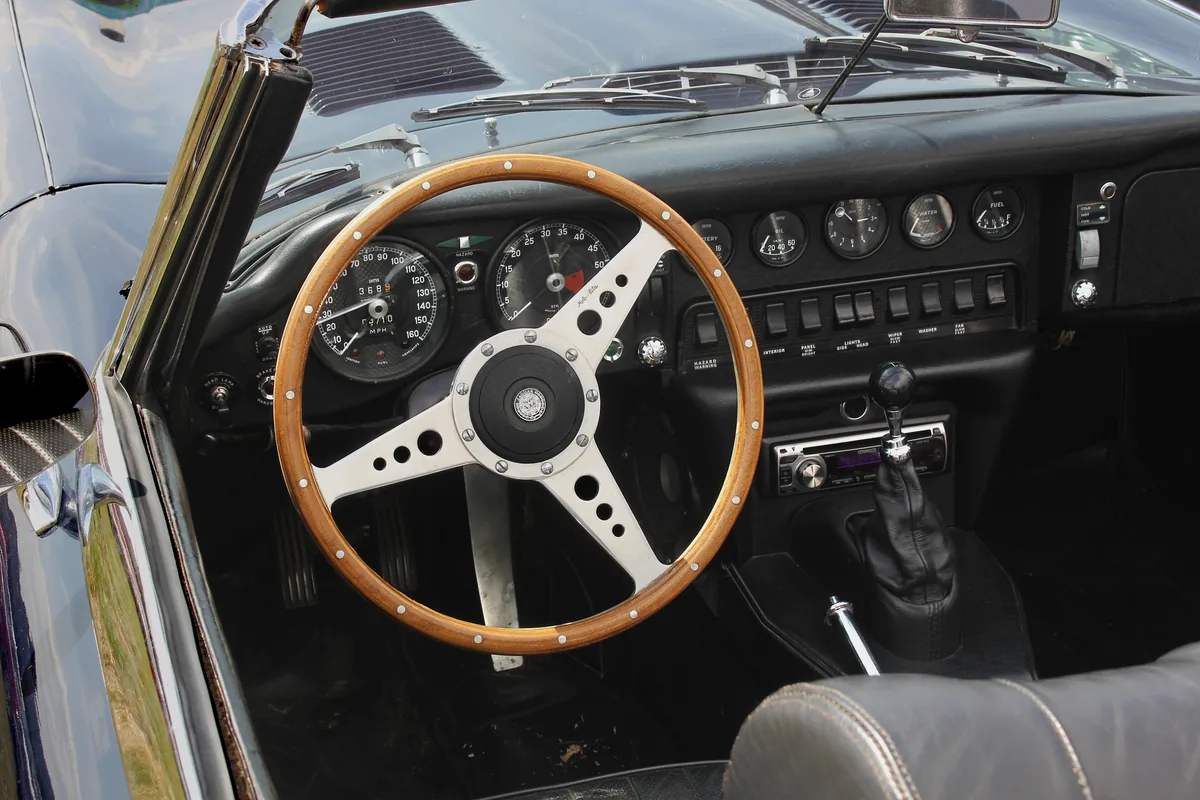
If the car is far away, many specialists offer inspections on the buyer's behalf, with photographs and a road test. A seller who is confident in the car will usually welcome an inspection. Reluctance is itself a form of information.
Agree a price with a clear mind
Once you understand the model, the car and its history, the price becomes a matter of judgement rather than hope. Recent public auction results and the advice of specialists can help, though no two cars are identical and published figures should be read with care.
Allow for the work the inspection has revealed, and for the running costs that every classic carries: servicing by people who understand older machinery, specialist insurance, and somewhere dry and secure to keep it. A sensible buyer sets these aside before the purchase rather than discovering them afterwards.
Complete the purchase properly
When the moment comes, use a secure and traceable method of payment, and make sure you receive the documents needed to register the car in your name. Confirm in writing anything that has been promised, such as spare parts, tools, a hood or a set of original wheels. Never feel hurried. A good car will still be a good car tomorrow, and an honest seller understands that.
A purchase to enjoy
The reward for all this care is considerable. A classic car bought thoughtfully is not merely an object but an occupation: drives on quiet roads, conversations with fellow owners, and the pleasure of keeping something beautiful in good health for the next custodian.
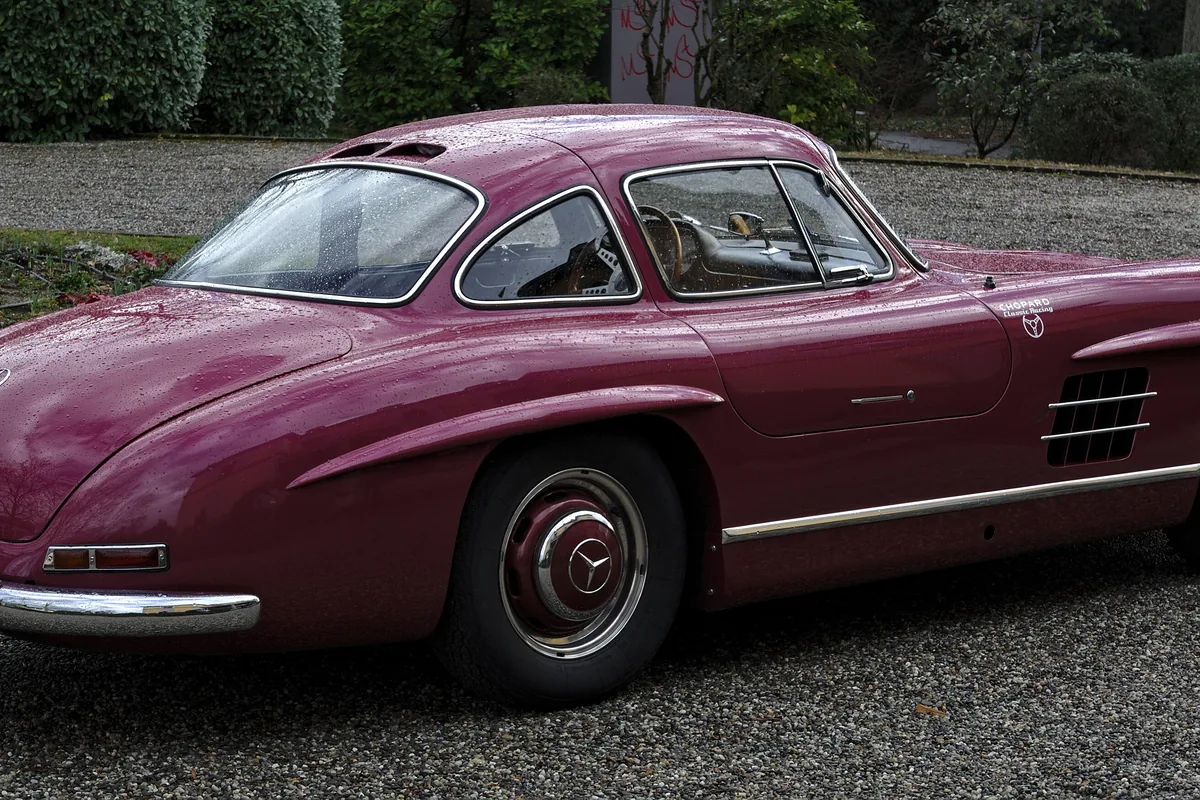
At Château Noir, classic and modern motor cars are presented by their owners and dealers in our Автомобили collection. Should you be searching for something in particular, our Частный консьерж will look discreetly on your behalf.
Photographs are credited in their captions and licensed as stated there.